
NLZIET offers a modern way to watch traditional television. It brings together more than thirty channels in a single app. It also features high-quality video-on-demand (VOD) content and options for ad-free viewing. This makes it easy for people to catch up with their favourite series and TV programmes – wherever they are and exactly as they want to. We’re big fans.
The challenge
The old NLZIET app was designed too much around the wishes and needs of the participating broadcasters, rather than the viewer. NLZIET wanted to turn that around, so it was time for a redesign of the app.
The solution
A redesign centred on the viewer? You said it. We delved into NLZIET’s story and the world of their customers. Building on that, we worked together to create a new platform.
A thousand and one ideas – which ones shall we go ahead with?
When we’re working on a redesign, we start with exploratory research. After all, you need to understand your market and customers well to create something worthwhile.
NLZIET already had a wealth of information and knowledge for us to draw on. We supplemented this with a short online survey to fill in a few ‘knowledge gaps’ and got to work: in a one-week sprint, we turned all sorts of ideas and assumptions into a rough prototype to test what works and what doesn’t.
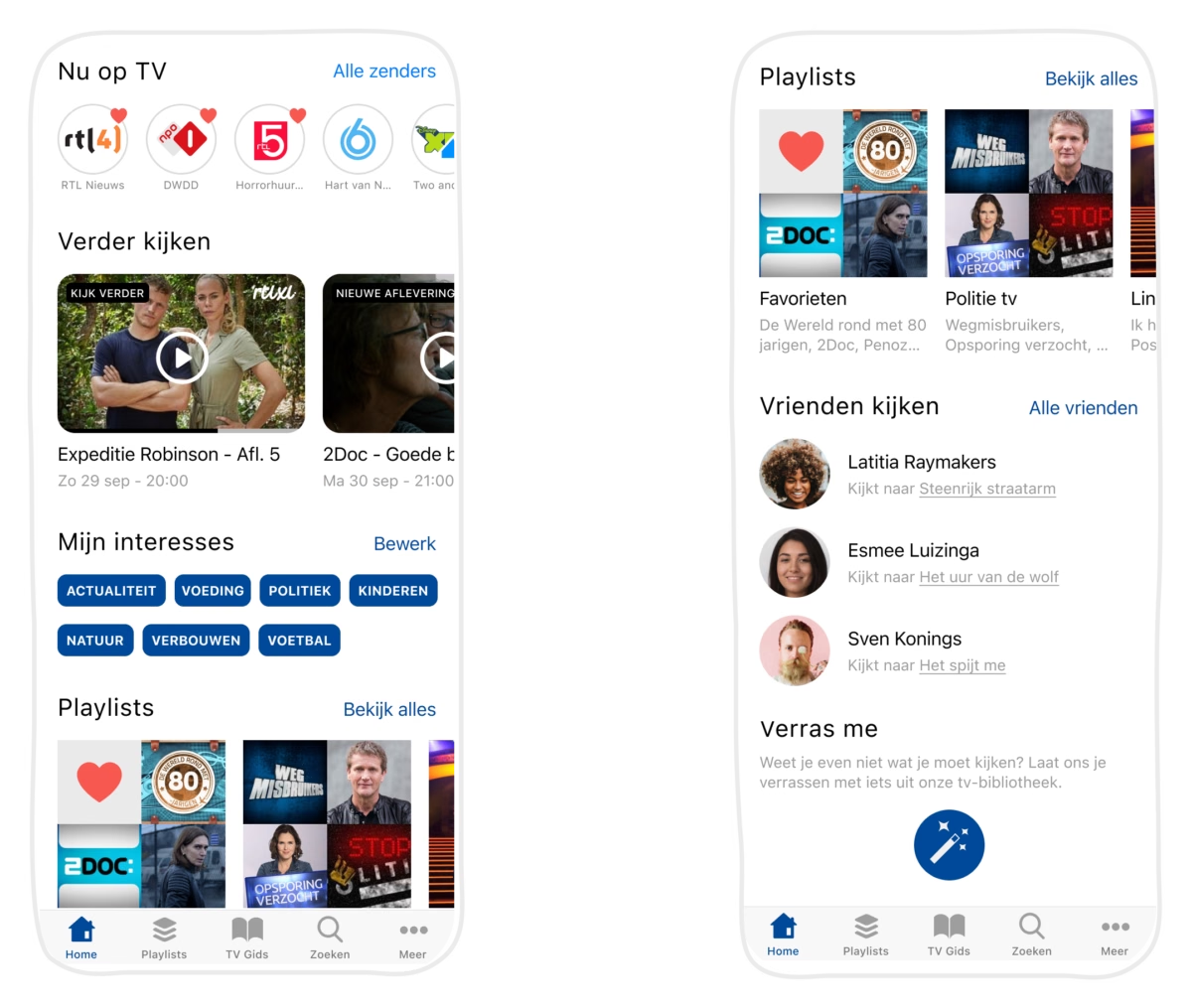
The first prototype included a number of concepts we were keen to learn more about. A ‘surprise me’ button, for example. A way to see what your friends are watching to draw inspiration from it. And a feature to follow specific topics such as football, nutrition or nature.
As you can see in the screenshots below, we left out visual design from the concept – we didn’t want people to react to the ‘look and feel’. It was purely about the ideas.
A concept and clear guidelines
After the first sprint, the concept was broadly in place. We knew what viewers wanted, which ideas they were enthusiastic about, and which ideas they were less keen on. What next?
To ensure you can adapt quickly and make decisions easily during the design process, it’s wise to draw up guidelines. So, before we continued with fleshing out the concept and creating screens, we worked with NLZIET to formulate a product vision and design principles.
A product vision is a sort of ‘moonshot’. It clarifies where you see your product in the future. And it brings focus to the design process.
Design principles are rules that you use as a starting point during the design process. They make design work easier, more consistent, better and faster – to name just a few benefits.
Getting started with the screens
Armed with the concept, product vision and design principles, we set about developing the app in detail together with designers from NLZIET.
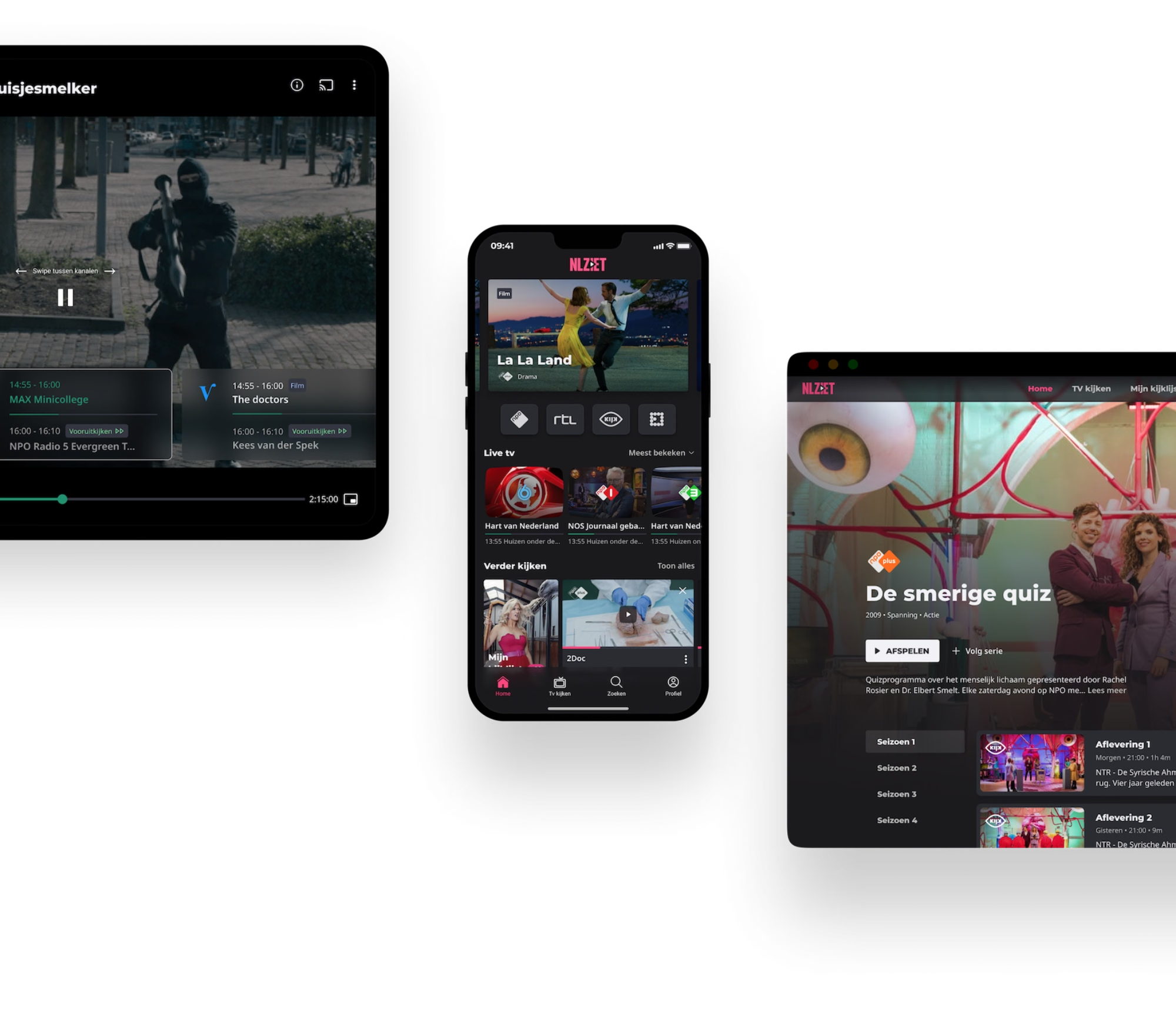
We started by creating wireframes for mobile (desktop and tablet followed later). In parallel, we developed a visual identity for the new NLZIET. Step by step, the new visual style and the interaction design became intertwined. We documented the choices we made in the NLZIET design system. And as we progressed, we handed screens over to the development team.
In weekly design reviews, we walked the key stakeholders through the latest designs. This ensured the organisation remained engaged and that we never lost sight of the business needs.
What we’re actually saying with all of the above is this: a redesign involves working thoroughly and practically. It means working together. Knowing your market and customers inside out. Keeping stakeholders in the loop. Drawing up guidelines. Maintaining a design system. And working out screen designs in detail so that developers can easily get to work on them.
Will your customers also be at the heart of your next redesign?
Nils van den Broek — Founder

Authors
-
